ISLAMABAD: Experts, policymakers and industry representatives at a seminar on climate-responsive industrial development on Wednesday stressed the need for phased structural reforms to reduce Pakistan’s reliance on fossil fuels, enhance export competitiveness and support sustainable industrial growth in line with national policies.
The seminar, titled “Driving a Just Industrial Transition: Role of Multilateral Development Banks (MDBs) and Solar Rush in Pakistan’s Textile Sector,” was organised by Alternate Development Services (ADS) and hosted by its Chief Executive Officer Amjad Nazeer. More than 50 participants, including energy experts, economists, textile industry professionals and civil society representatives, attended the event.
Speakers highlighted that better alignment of MDB financing with Pakistan’s climate and energy frameworks could accelerate clean energy adoption, particularly in the textile sector, which is central to exports.
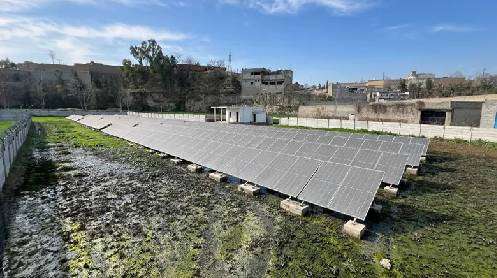
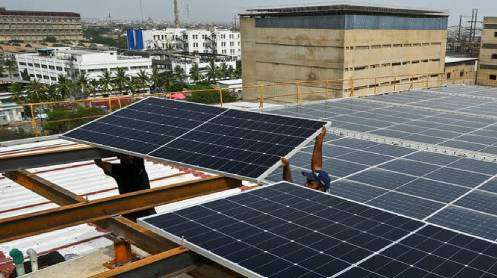
A scoping study presented by Dr Ali Abbas Kazmi of USPCASE, NUST, and Usman Bin Ahmad of ADS, based on primary data from textile mills in Faisalabad and Multan, underscored the growing role of solar energy in cutting production costs and emissions, while supporting compliance with emerging international trade requirements.
Another study on MDB policies, presented by lead author Twangar Kazmi, reviewed World Bank Group and Asian Development Bank strategies against Pakistan’s national climate and energy commitments. While the analysis found broad alignment, it identified gaps in implementation, monitoring and institutional capacity.
Panel discussions featuring Dr Afia Malik, Qurat-ul-Ain Cheema, Aamir Imran, Zubair Faisal Abbasi and Abdul Khaliq focused on regulatory challenges, financing approaches and the need for balanced transition measures, particularly for small and medium enterprises.
Participants emphasised predictable regulations, improved coordination and stronger stakeholder engagement to ensure a just industrial transition. Concluding the seminar, ADS CEO Amjad Nazeer called for sustained policy dialogue and coordinated efforts to support Pakistan’s shift towards a more resilient and sustainable industrial sector.